
เข้าใจใน 3 บรรทัด
- คืออะไรpurine nucleoside analogue ที่เปลี่ยนเป็น ZMP ภายในเซลล์—ไม่ใช่ peptide
- หลักฐานมี randomized CABG trials แต่ RED-CABG ไม่ลดผลลัพธ์หลักและหยุดเพราะ futility
- สถานะInvestigational และ WADA ระบุใน S4.4.1 ว่าห้ามใช้ตลอดเวลา
หน้านี้ไม่มีราคา ปุ่มซื้อ วิธีใช้ ขนาดยา ขั้นตอนการใช้ cycle, stack หรือคำแนะนำเพื่อเพิ่มสมรรถนะ
QUICK ANSWER
AICAR หรือ acadesine เป็น purine nucleoside analogue ไม่ใช่ peptide ภายในเซลล์สามารถเปลี่ยนเป็น ZMP และมีผลต่อ AMPK รวมถึงเส้นทางอื่น มี randomized human trials ขนาดใหญ่ในผู้ป่วยผ่าตัด CABG แต่การทดลอง RED-CABG หยุดเพราะ futility และไม่ลดผลลัพธ์หลัก จึงไม่ใช่ยาที่พิสูจน์แล้วสำหรับหัวใจ เมแทบอลิซึม การลดไขมัน หรือเพิ่มสมรรถนะ และ WADA ห้ามใช้ตลอดเวลา
KEY FACTS
ข้อมูลสำคัญโดยสรุป
IDENTITY BOUNDARY
Acadesine ≠ ZMP ≠ “exercise in a pill”
FDA GSRS ระบุ preferred substance name Acadesine และ UNII 53IEF47846
เป็นตัวกลางภายในเซลล์ ไม่ใช่ผลิตภัณฑ์เดียวกันโดยอัตโนมัติ
UNII ใช้ระบุตัวสาร แต่ FDA ระบุว่า UNII availability ไม่ได้หมายถึง regulatory review หรือ approval
WHAT IS IT?
สารทดลองกลุ่ม purine nucleoside analogue
Acadesine ถูกพัฒนาและศึกษาทางคลินิกในฐานะ adenosine-regulating agent โดยเฉพาะบริบท perioperative ischemia ใน CABG ส่วนชื่อ AICAR ถูกใช้กว้างในห้องทดลองเพื่อศึกษาพลังงานของเซลล์และ AMPK
HOW DOES IT WORK?
AMPK เป็นเพียงส่วนหนึ่งของกลไก
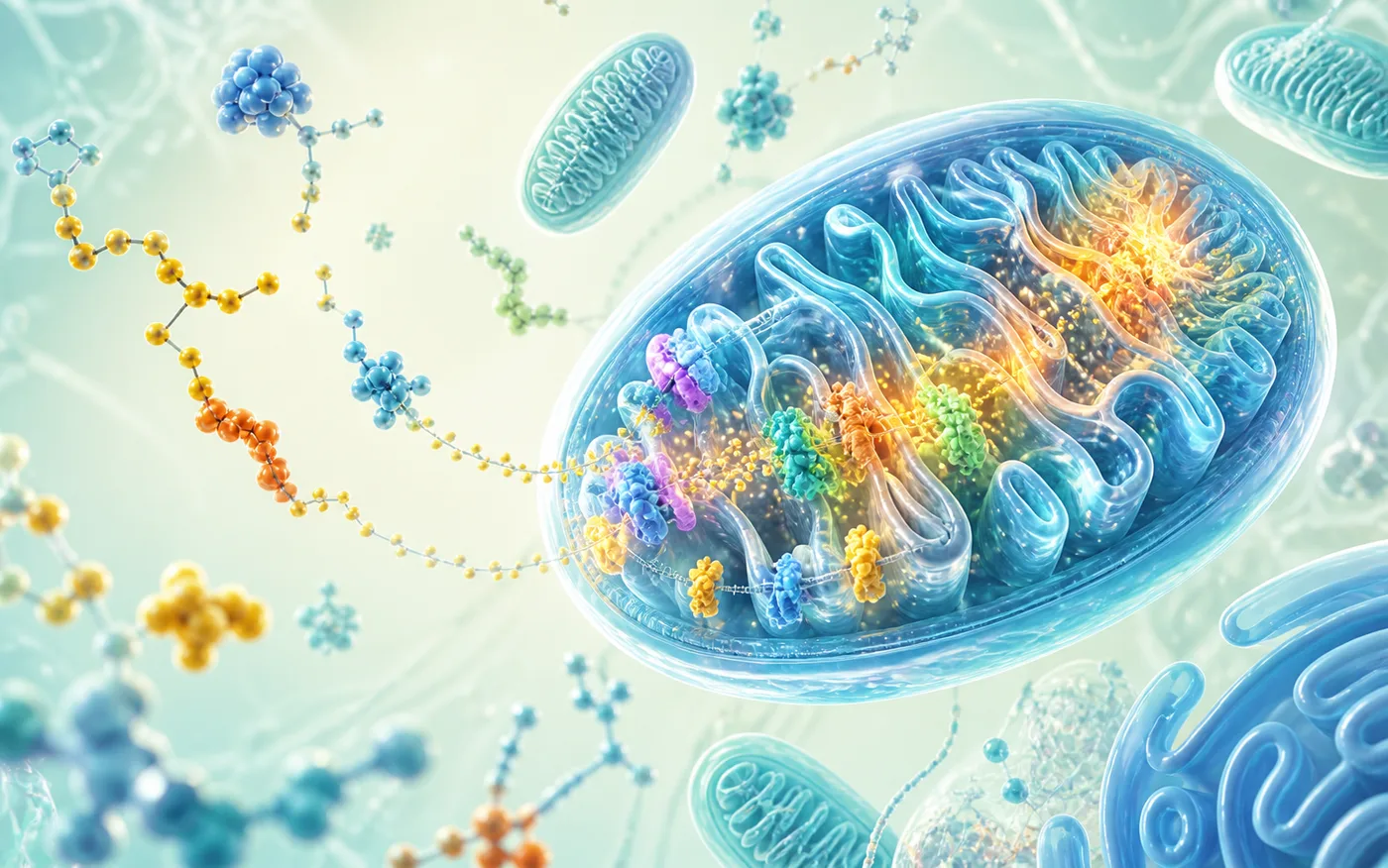
Acadesine เข้าสู่เซลล์ผ่าน nucleoside transporters และถูก phosphorylate เป็น AICA ribotide หรือ ZMP ซึ่งเลียนแบบสัญญาณบางส่วนของ AMP และสามารถกระตุ้น AMPK ได้ อย่างไรก็ตาม AICAR ยังเปลี่ยน adenosine availability, nucleotide metabolism และเกิดผลที่ไม่ขึ้นกับ AMPK หลายแบบ จึงไม่ควรอธิบายว่าเป็น “selective AMPK switch” หรือยืมผลจาก pathway เดียวไปเป็นผลลดไขมันหรือเพิ่ม endurance ในมนุษย์
WHAT IS BEING STUDIED?
กำลังศึกษาเรื่องอะไร?
- perioperative ischemic outcomes in coronary artery bypass graft surgery
- adenosine regulation in ischemic tissue
- AMPK and ZMP signalling in cell and animal models
- skeletal-muscle oxidative pathways and endurance in mice
- glucose, lipid and nucleotide metabolism in laboratory systems
- experimental cancer-cell and immune-cell biology
HUMAN EVIDENCE
หลักฐานในคนแข็งแรง—but indication-specific
AICAR/acadesine has substantial controlled human exposure data in a narrow perioperative CABG context. That evidence is not evidence for weight loss, exercise replacement, bodybuilding, diabetes treatment or general metabolic health. The largest confirmatory trial was stopped for futility and did not improve its primary outcome.
Randomized double-blind controlled study; 116 CABG patients
Early safety and ischemia measures did not show statistically significant differences across the principal monitored comparisons; transient uric-acid increases occurred at higher exposure.
Multicenter randomized double-blind placebo-controlled study; 633 patients
The prespecified myocardial-infarction criterion and combined cardiovascular outcomes did not differ significantly. Favorable findings came from post-hoc analyses and required confirmation.
Meta-analysis of five randomized double-blind trials; 4,043 evaluable patients
Reported lower perioperative myocardial infarction and early cardiac-death outcomes, but these findings preceded the later large confirmatory RED-CABG trial.
Randomized double-blind placebo-controlled trial at 300 sites in seven countries; 3,080 randomized; NCT00872001
Stopped after a prespecified futility analysis. Acadesine did not reduce the primary composite of death, nonfatal stroke or severe left-ventricular dysfunction, and key secondary outcomes did not differ.
Evidence Grade B: strong controlled human evidence can show absence of benefit; it is not a positive efficacy score.
PRECLINICAL EVIDENCE
Cell และ mouse evidence ต้องแยกจากมนุษย์
Rat hepatocytes and isolated adipocytes
AICAR accumulated as ZMP and changed AMPK-linked lipid pathways. This established a laboratory tool, not a human metabolic therapy.
Adult mouse and primary-myoblast experiments
Reported metabolic-gene changes and increased running endurance in sedentary mice. The result is animal evidence and cannot establish an exercise substitute or performance benefit in humans.
Cultured prostate-cancer cell lines
Reported programmed necrosis through mechanisms described as largely AMPK-independent, illustrating that AICAR effects cannot all be attributed to AMPK.
AICAR is widely used as an experimental metabolic tool, but it affects ZMP, adenosine transport, nucleotide pathways and AMPK-independent mechanisms. Cell and mouse findings cannot be converted into human fat-loss, endurance, anti-aging or cancer-treatment claims.
POTENTIAL FINDINGS
หลักฐานบอกอะไรได้—and ไม่ได้?
The human evidence establishes that acadesine was studied extensively as an adenosine-regulating agent around CABG surgery, including a large negative confirmatory trial. Preclinical work supports its use as a probe of AMPK and cellular energy pathways. Evidence does not establish use for weight loss, muscle gain, exercise replacement, diabetes management, longevity or athletic performance.
KNOWN RISKS
ความเสี่ยงและขอบเขต safety
- transient increases in serum uric acid were reported in controlled CABG studies
- the large RED-CABG trial showed no primary clinical benefit despite extensive exposure
- AICAR has AMPK-independent and nucleotide/adenosine-related effects that complicate safety prediction
- human evidence comes from monitored surgical settings and cannot be generalized to unsupervised products
- identity, purity, potency, sterility and contaminants of online AICAR products are not established by published trials
- AICAR is explicitly prohibited at all times for athletes under WADA S4.4.1
UNKNOWNS
สิ่งที่ยังไม่ทราบ
- long-term safety outside short perioperative research settings
- human risk-benefit for weight, metabolic or performance claims
- effects of repeated exposure on purine, glucose and lipid metabolism
- comparability of research-grade AICAR, acadesine formulations and online products
- current product-specific marketing-authorisation status in Thailand, the EU and UK
- current US compounding-list status under a substance-specific FDA review
LIMITATIONS
ข้อจำกัด
Strong controlled human evidence exists only in a narrow CABG setting and culminated in a negative confirmatory trial. Older meta-analytic and post-hoc signals must be interpreted in light of RED-CABG. Popular performance claims are based mainly on mouse work. Mechanistic studies also show that AICAR is not selective for AMPK, limiting simple pathway-based conclusions.
WADA 2026
AICAR ถูกห้ามอย่างชัดเจน
WADA 2026 Prohibited List ระบุ AICAR ใน S4.4.1 กลุ่ม activators of AMP-activated protein kinase ภายใต้ hormone and metabolic modulators และห้ามตลอดเวลาทั้งในและนอกการแข่งขัน
การมีงานวิจัยทางการแพทย์ในอดีตไม่เปลี่ยนสถานะ anti-doping นักกีฬาต้องใช้กระบวนการของหน่วยงาน anti-doping ที่เกี่ยวข้อง
REGULATORY STATUS
สถานะต้องแยกประเทศและบริบท
Clinical trial, FDA substance identifier และ biochemical research ไม่ใช่ marketing approval
Checked 23 August 2026 — Needs Verification. PrimeCore did not verify a direct Thai FDA medicine record for AICAR/acadesine and does not infer approval or non-approval from online availability.
Checked 23 August 2026 — investigational / not verified as FDA-approved. RED-CABG (NCT00872001) was terminated for futility. Current FDA orphan records for chronic lymphocytic leukemia and multiple myeloma each state 'Not FDA Approved for Orphan Indication'. FDA GSRS assigns acadesine UNII 53IEF47846, but a UNII is not approval. No exact AICAR/acadesine entry was matched in the reviewed 503A document updated 14 May 2026 or 503B nomination document updated 21 March 2025; absence from those compounding documents is not a universal legal determination.
Checked 23 August 2026 — Needs Verification. PrimeCore did not verify an EMA centrally authorised acadesine medicine. Trial sites and historic development do not constitute marketing authorisation, and national EU status is not inferred from the central search.
Checked 23 August 2026 — Needs Verification. PrimeCore did not verify a current acadesine marketing authorisation in the MHRA product-information service.
Prohibited at all times — WADA's 2026 Prohibited List explicitly names AICAR under S4.4.1, activators of AMP-activated protein kinase (AMPK), within hormone and metabolic modulators.
COMPARISON
AICAR ต่างจาก MOTS-c, NAD+ และ 5-Amino-1MQ
AICAR is a purine nucleoside analogue, not a peptide. MOTS-c is a mitochondrial-derived peptide, NAD+ is an endogenous cofactor, and 5-Amino-1MQ is an experimental NNMT inhibitor. AICAR has far more controlled human exposure than those experimental metabolic products, but its largest confirmatory trial was negative and its evidence cannot be transferred to consumer performance claims.
FAQ
คำถามที่พบบ่อย
AICAR คืออะไร?
AICAR หรือ acadesine เป็น purine nucleoside analogue ที่ภายในเซลล์เปลี่ยนเป็น ZMP และมีผลต่อ AMPK, adenosine และ nucleotide metabolism ไม่ใช่ peptide
AICAR มีงานวิจัยในมนุษย์หรือไม่?
มี randomized controlled trials หลายงานในผู้ป่วยผ่าตัด CABG แต่เป็นบริบทโรงพยาบาลเฉพาะและไม่ใช่งานลดน้ำหนักหรือเพิ่มสมรรถนะ
RED-CABG พบว่า AICAR ป้องกันภาวะแทรกซ้อนหัวใจหรือไม่?
ไม่ การทดลองหยุดเพราะ futility และ acadesine ไม่ลดผลลัพธ์หลักของการเสียชีวิต stroke หรือ severe left-ventricular dysfunction
AICAR เป็น exercise mimetic ในมนุษย์หรือไม่?
ยังไม่มีหลักฐานยืนยัน คำนี้มาจากการทดลองในหนูและ pathway studies ไม่ใช่ randomized human performance trial
AICAR ได้รับอนุมัติจาก FDA หรือไม่?
ในการตรวจ 23 สิงหาคม 2026 PrimeCore ไม่ยืนยัน FDA-approved acadesine drug; orphan records ของ FDA ระบุชัดว่า acadesine ยังไม่ FDA approved สำหรับข้อบ่งใช้ orphan ที่บันทึกไว้ และ UNII ระบุตัวสารเท่านั้น ไม่ใช่ approval
นักกีฬาใช้ AICAR ได้หรือไม่?
ไม่ได้ภายใต้กฎ WADA ปี 2026 AICAR ถูกระบุใน S4.4.1 กลุ่ม AMPK activators และห้ามตลอดเวลาทั้งในและนอกการแข่งขัน
REFERENCES
แหล่งอ้างอิงหลัก
- U.S. FDA GSRShttps://precision.fda.gov/uniisearch/srs/unii/53ief47846
- www.accessdata.fda.govhttps://www.accessdata.fda.gov/scripts/opdlisting/oopd/detailedIndex.cfm?cfgridkey=203105
- www.accessdata.fda.govhttps://www.accessdata.fda.gov/scripts/opdlisting/oopd/detailedIndex.cfm?cfgridkey=341011
- www.fda.govhttps://www.fda.gov/media/94155/download
- www.fda.govhttps://www.fda.gov/media/94164/download
- ClinicalTrials.govhttps://clinicaltrials.gov/study/NCT00872001
- PubMedhttps://pubmed.ncbi.nlm.nih.gov/7818622/
- PubMedhttps://pubmed.ncbi.nlm.nih.gov/7574044/
- PubMedhttps://pubmed.ncbi.nlm.nih.gov/9002496/
- PubMedhttps://pubmed.ncbi.nlm.nih.gov/22782417/
- PubMedhttps://pubmed.ncbi.nlm.nih.gov/7744080/
- PubMedhttps://pubmed.ncbi.nlm.nih.gov/18674809/
- PubMedhttps://pubmed.ncbi.nlm.nih.gov/27103440/
- PubMedhttps://pubmed.ncbi.nlm.nih.gov/34064363/
- WADAhttps://www.wada-ama.org/sites/default/files/2025-09/2026list_en_final_clean_september_2025.pdf
- MHRA Productshttps://products.mhra.gov.uk/
- www.ema.europa.euhttps://www.ema.europa.eu/en/medicines/download-medicine-data
- pertento.fda.moph.go.thhttps://pertento.fda.moph.go.th/FDA_SEARCH_DRUG/SEARCH_DRUG/FRM_SEARCH_DRUG.aspx
ข้อมูลนี้จัดทำเพื่อการศึกษา ไม่ใช่คำแนะนำทางการแพทย์ การวินิจฉัย การสั่งยา วิธีใช้ ขนาดยา การเพิ่มสมรรถนะ หรือคำแนะนำเฉพาะบุคคล PrimeCore ไม่รับรองผลิตภัณฑ์ AICAR และไม่แปลงผลในหนูหรือ pathway signals เป็นผลในมนุษย์
Last reviewed: 21 August 2026 · Internal evidence and compliance review completed · External medical review pending · Regulatory and anti-doping status subject to change